Mobile version of Big Bass Bonanza: usability and gameplay
The legendary fishing series returns with the Big Bass Bonanza 1000 slot, cranking up winning opportunities to new heights with a record-breaking 25,000x max win.
US 18+
Play responsibly
Only operators licensed by DGOJ


Mobile version of Big Bass Bonanza: usability and gameplay
In the mobile version of a slot, players usually judge not the “visuals” but the practicalities: how fast you can find the right settings, how readable the explanations are, whether animations get in the way, and how stable everything runs on a specific device. Big Bass Bonanza is an example where much of understanding comes through the interface: values on symbols, progress indicators, and prompts about special features.
Below is a look at how the mobile format affects convenience and how the gameplay is perceived. This is about user experience (UX), not about ways to increase winning chances.

What “mobile version” means, and why it’s not just “the same slot in a smaller window”
Most modern slots have one underlying game logic and several “shells” for different screens. The logic determines which symbols land and how outcomes are calculated; the shell controls buttons, scaling, menu placement, and how information is displayed. In practice, this means: on a phone you usually face a different layout, not a different game.
In most cases the mobile variant runs on HTML5. This web standard lets the game run in a browser or inside an app that essentially opens an embedded web page (a WebView). Because of that, differences between “playing in the browser” and “playing in the app” often come down to launch convenience, not gameplay.
| Launch method | What it means | Typical pros | Typical limitations |
|---|---|---|---|
| Browser (mobile site) | The game opens as a web page | Fast start, easy tab switching, simpler updates | Depends on the browser and its settings; may aggressively save memory |
| Embedded WebView inside an app | The game opens inside a “container” | Often holds fullscreen better; easier to return to | Inherits the app’s WebView limits; harder to troubleshoot issues |
| PWA (installed web version) | The site is installed as an “app icon” | Quick access; less browser chrome | Not identical on all devices; updates require care |
The key takeaway is simple: if something feels “off” on mobile, it’s more often the shell (browser, power saving, scaling) than “different math.”
Controls and pace: how it plays with one finger
On desktop, most actions are done with a mouse and a large playfield. On a phone, control often becomes one-finger taps, so button size and spacing matter. When UI elements sit too close, the risk of accidentally opening the bet menu instead of spinning goes up.
Mobile pacing is shaped by three things: button responsiveness, animation speed, and how quickly you can reach settings. Quick access to settings (sound, speed, auto spin) reduces “technical pauses,” when you get distracted and click extra. A clumsy menu does the opposite: you spend attention on UI instead of understanding what’s happening.
A common misconception is that “fast spins” change results. In most cases, speed only changes how quickly an already-calculated outcome is shown; it’s about presentation, not a different outcome.

Gameplay on mobile: what you need to see to understand what’s going on
Big Bass Bonanza is a slot where part of the meaning is carried by prompts and values on symbols. On mobile this becomes a readability task: are values big enough, do effects cover them, is it clear when values are actually counted versus when it’s just animation.
The basic loop is straightforward: start a spin → reels stop → line wins are checked → the result is shown and indicators update. “Paylines” are predefined paths along which symbol matches are evaluated. On a small screen it matters that paylines don’t turn into visual “spaghetti”: if there are many, players stop reading the cause of a win.
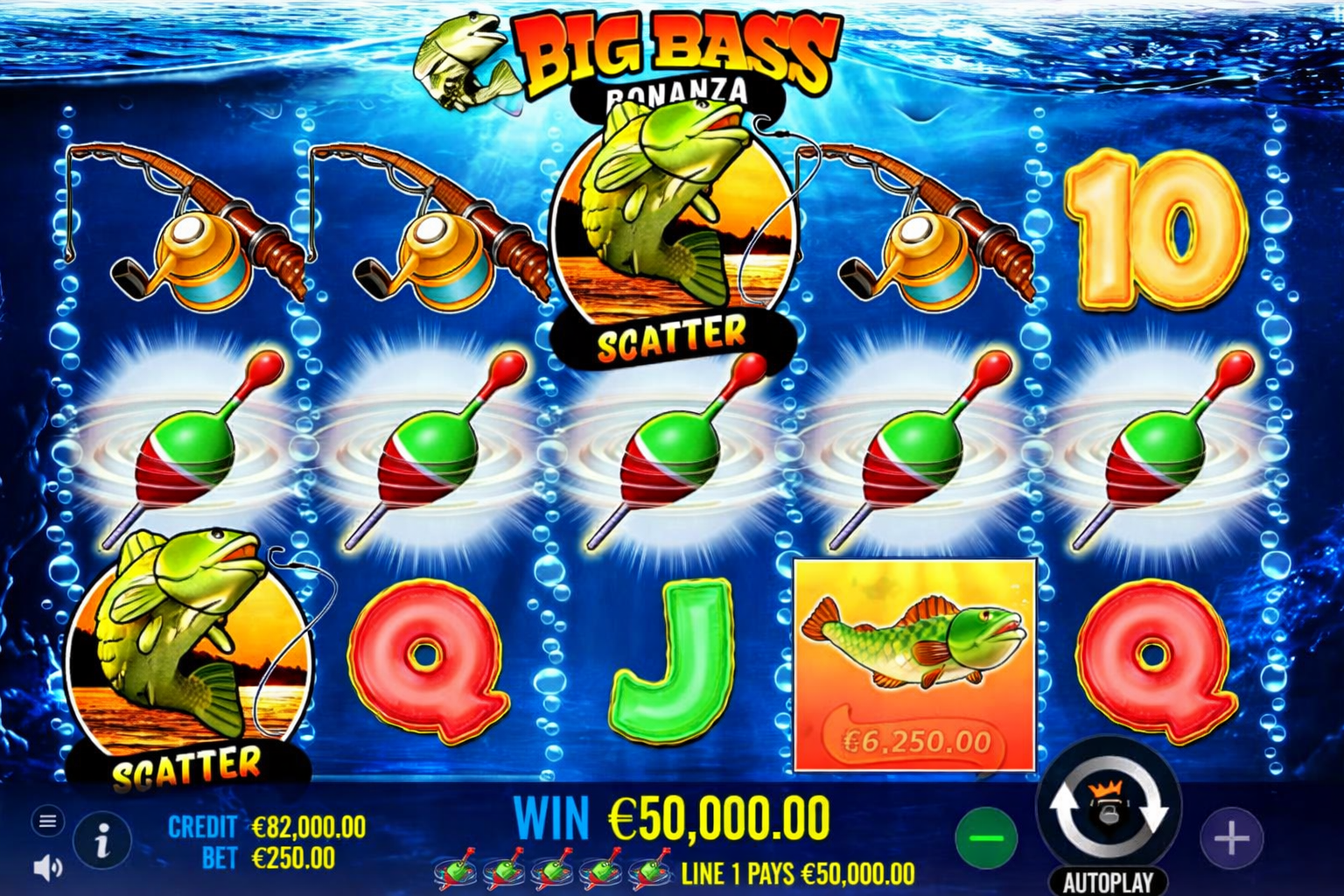
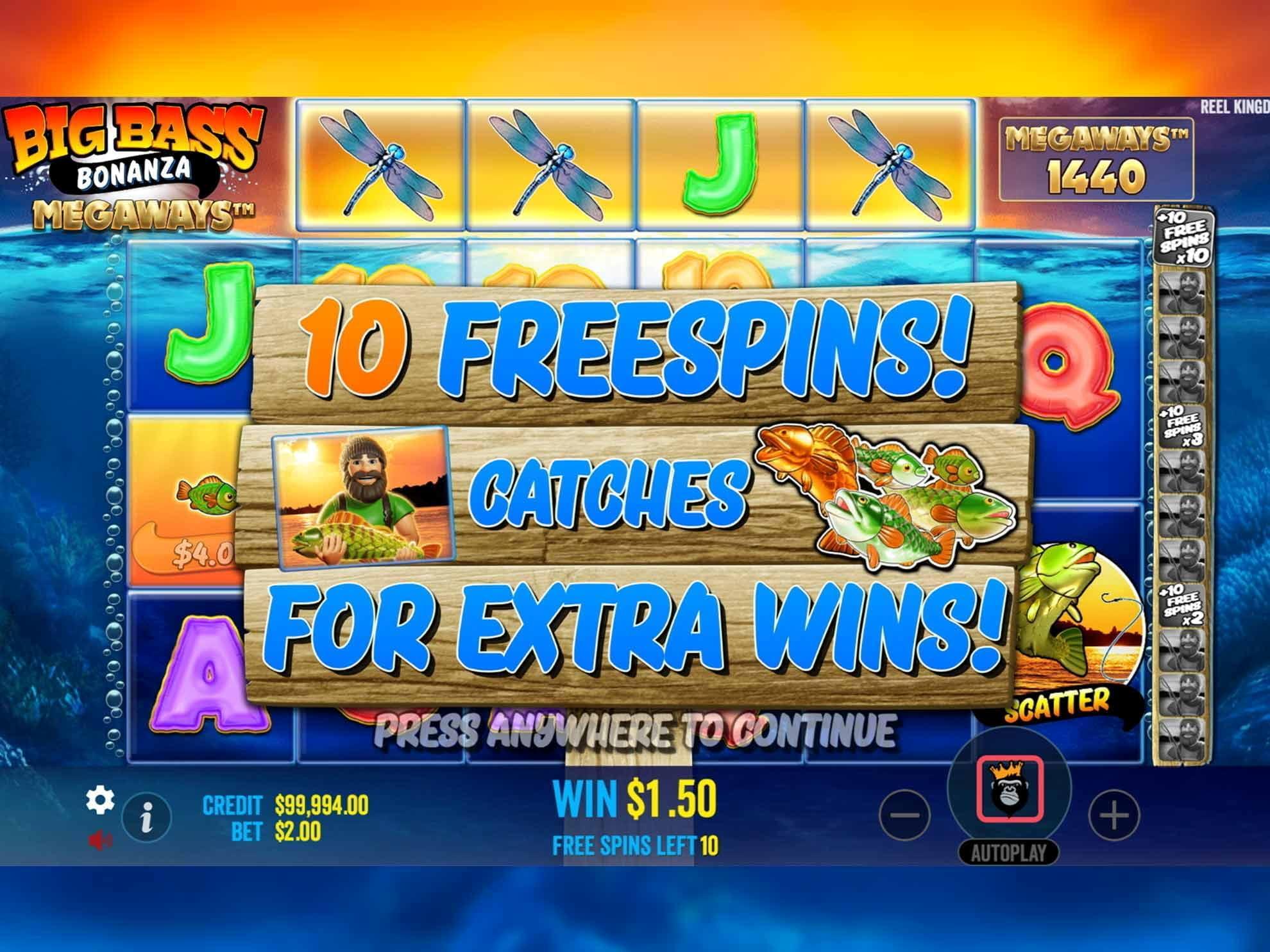
A key part of Big Bass Bonanza is a special mode triggered by certain symbols that gives a series of spins with extra rules. Inside this mode you see symbols with cash values and a “collector” that transfers those values into the total. On mobile it’s crucial that the game clearly shows two things:
-
which values have already been counted.
-
which are still only potential.
If those states look too similar, players lose track and start “reading” the game emotionally rather than factually.
A useful mobile test: open the paytable and the special-mode rules and try, within 10–15 seconds, to answer two questions—“what triggers the special mode” and “how exactly are values counted.” If that’s hard, the interface isn’t helping, and the game will feel more “random” than it is.
Interface and visual effects: readability, sound, and “information noise”
Mobile UX is a fight for space. One screen has to fit buttons, indicators, prompts, and the game scene. That’s why developers often hide important items behind icons: rules, parameters, history, and advanced speed settings.
For players, this creates a typical problem: during special events you see lots of animation but little structured information. A good interface separates “effects” from “data”: values are high-contrast and stable, while effects do not cover them. A bad interface does the opposite: data becomes blurry, effects dominate, and users skip what actually matters.
On mobile, sound often acts as a state indicator. Background changes and short cues help you understand that the game has switched modes even if you’re not staring at the screen. But overly busy audio becomes tiring faster, especially with headphones. It helps if music and effects can be adjusted separately, not only with a single master toggle.
Screen orientation also changes perception. In landscape, elements are often larger and more spaced out; in portrait, the game saves space and may shrink text. If rules and values are hard to read in portrait, that’s not “picky”—it’s a density limit.
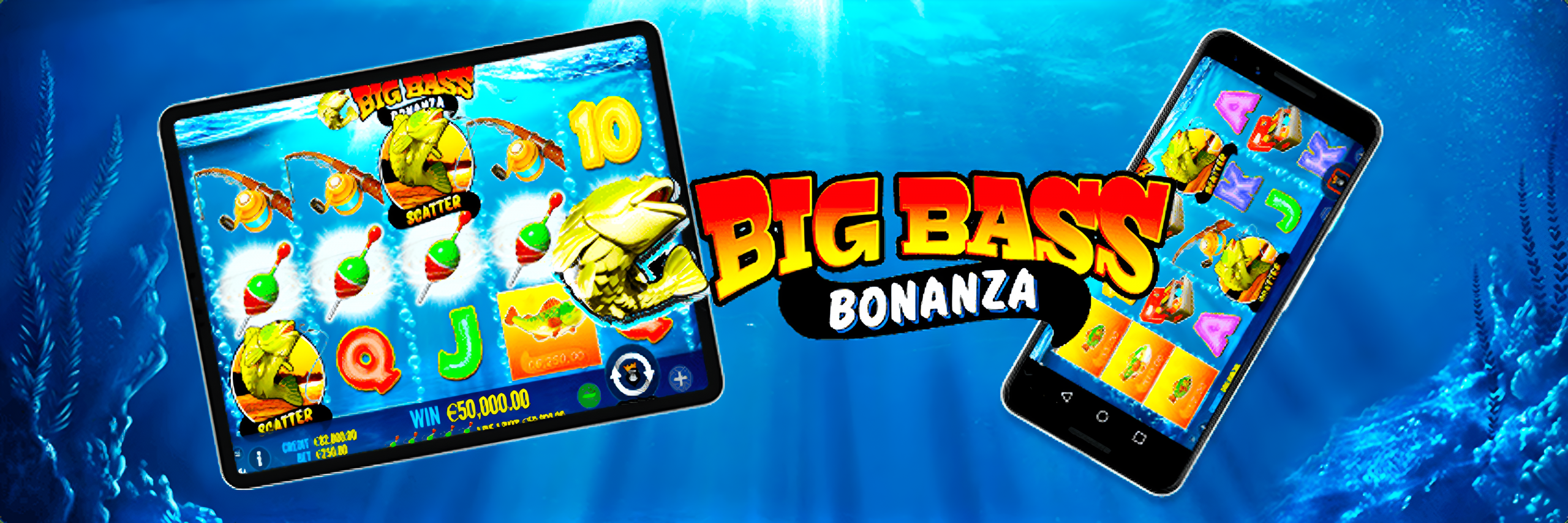
Performance and responsiveness: battery, network, stability
Even if the game is “the same,” the device can make it feel different. Mobile browsers and apps actively manage resources: saving battery, limiting frame rates, unloading tabs from memory. In slots this shows up as choppy animation, delayed taps, or occasional freezes after returning from another app.
Three common bottlenecks are battery, network, and temperature. When a phone heats up, the system may throttle performance; with weak network, asset loading (graphics and audio) takes longer. Power-saving mode is a separate factor: it often reduces refresh rates and constrains background work, making the game less responsive.
If the mobile version is unstable, simple steps often help
-
Switch to another browser or update the current one.
-
Turn off power-saving mode for the session.
-
Close extra tabs and memory-heavy apps.
-
Toggle portrait/landscape to force a UI redraw.
-
Reduce animation quality or speed if those options exist.
Common mistakes and misconceptions on smartphones
-
The most common mistake is confusing UI inconvenience with “unclear rules.” When buttons are small, prompts are hidden, and key numbers appear for a second, players feel they “control nothing.” In reality, they simply don’t see key information at the moment it’s shown.
-
The second mistake is thinking orientation, browser choice, or spin speed affects outcome probabilities. These settings change display and comfort, but they don’t have to change the game logic. If it feels otherwise, it’s usually because one mode makes cause-and-effect easier to read.
-
The third mistake is “playing by touch.” On a phone it’s easy to act reflexively: tap, get distracted, tap again. In slots with several indicators, that quickly turns gameplay into a stream of effects without understanding. When you don’t track which states are active, you lose reference points and then misinterpret results.
-
The fourth is ignoring settings. The mobile version almost always includes basics: sound, speed, auto mode, and rule help. If you don’t check them at the start, irritation mid-session is more likely than any “lucky timing.”
Conclusions: what the player controls—limits, session length, demo, and a practical usability check
On mobile, it matters most to understand the boundaries of control. Players can manage pace (speed, auto), risk level (bet choice), and duration (breaks, timers, time limits), but not symbol outcomes. So it’s useful to treat the mobile version as a tool: it either helps you keep your routine, or it nudges you into mindless tapping.

Practical items to locate before a longer session:
-
where auto mode is turned on/off;
-
where the special-mode rules and paytable are;
-
whether you can adjust speed and reduce extra effects;
-
how quickly you can open/close the bet menu without mis-taps.
About bet ranges and internal parameters: exact values may vary depending on the game version and the operator. If you compare experiences across devices or platforms, note not only “how it went,” but also which settings were active.

A quick 2–3 minute mobile usability checklist:
-
Open the rules and confirm the text is readable without zooming.
-
Check whether symbol values and special-mode indicators are clearly visible.
-
Find speed and sound settings and toggle them once.
-
Do a few spins in portrait and landscape and compare readability.
-
Make sure you know where to see the total and which events contribute to it.
If this checklist makes the rules clearer rather than murkier, the mobile version is built well. If the game feels like it “slips away” because of UI, the issue is almost certainly UX, not gameplay.
FAQ
In feel — yes, because layout, element size, and interaction pace change. In logic—usually no: it’s the way information is shown that changes.
Because the interface is denser and there are more overlapping highlights. When lines and effects cover each other, cause-and-effect is harder to read.
Landscape often makes elements larger and spreads buttons apart, reducing mis-taps and improving readability. But it doesn’t make outcomes “better.”
What triggers the special mode and how values are counted inside it. If those two points are clear, everything else is usually easier.
The system may unload the tab from memory or deprioritize rendering. Returning can require redrawing and sometimes reloading assets.
It’s a pacing tool. It reduces friction from repeated taps, but it can remove natural pauses, so personal time limits matter.
Volatility is the distribution of wins by frequency and size—how often small outcomes happen versus how rare large ones are. It’s part of the game’s design; mobile only affects how comfortably you can follow the process.