How the Big Bass Bonanza Bonus Works
The legendary fishing series returns with the Big Bass Bonanza 1000 slot, cranking up winning opportunities to new heights with a record-breaking 25,000x max win.
US 18+
Play responsibly
Only operators licensed by DGOJ


Introduction
Free spins and multipliers are the two features that most strongly shape how a slot feels. They set the pace, control volatility, and decide whether a bonus is a quick burst or a multi-stage sequence. This guide explains how the bonus works and what actually happens under the hood.

What a bonus round is
A bonus is a self-contained series of spins with special rules. It is usually triggered by landing specific symbols, filling a meter, or completing an in-game task. The outcomes still come from the same RNG; the mode just changes parameters such as reel set, pay rules, or extra features.
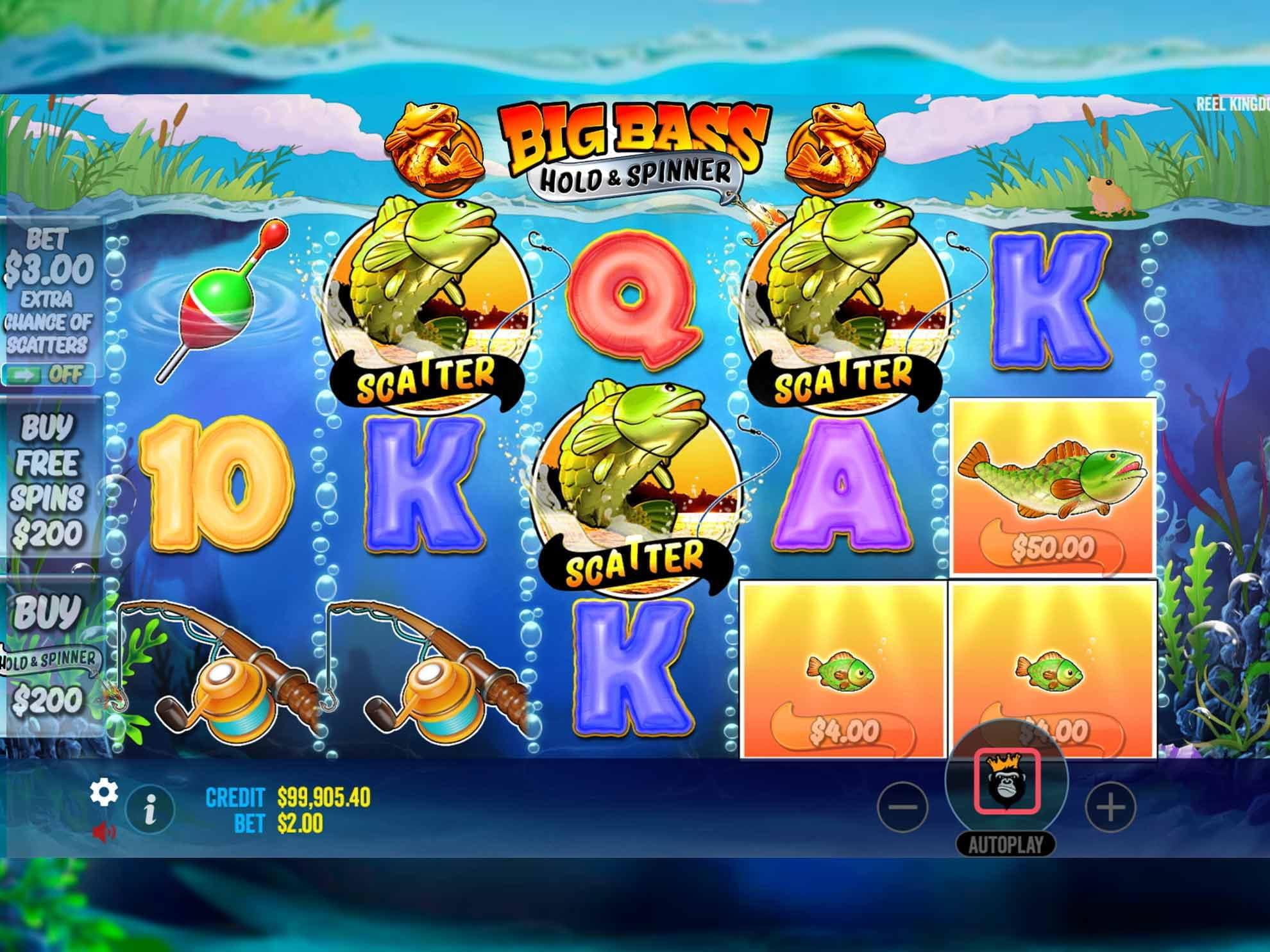
How free spins behave
Free spins use a separate ruleset defined by the game designer. Wilds may appear more often, certain symbols can be removed, or reels may expand. Exact values can differ by game version and operator, so always check the in-game rules without relying on generic numbers.

Multipliers: what they actually do
Multipliers scale wins according to where they apply. They do not “force” big outcomes; they amplify whatever the base calculation produced.
Variants you will see
Designers mix free spins with mechanics like cascades, walking wilds, or expanding reels.
Cluster-based games may attach multipliers to moving wilds, while some grid titles store charge in meters similar to how Reactoonz-style games work. Retriggers, extra spins, or symbol upgrades are common variants, but their conditions differ between versions and operators.
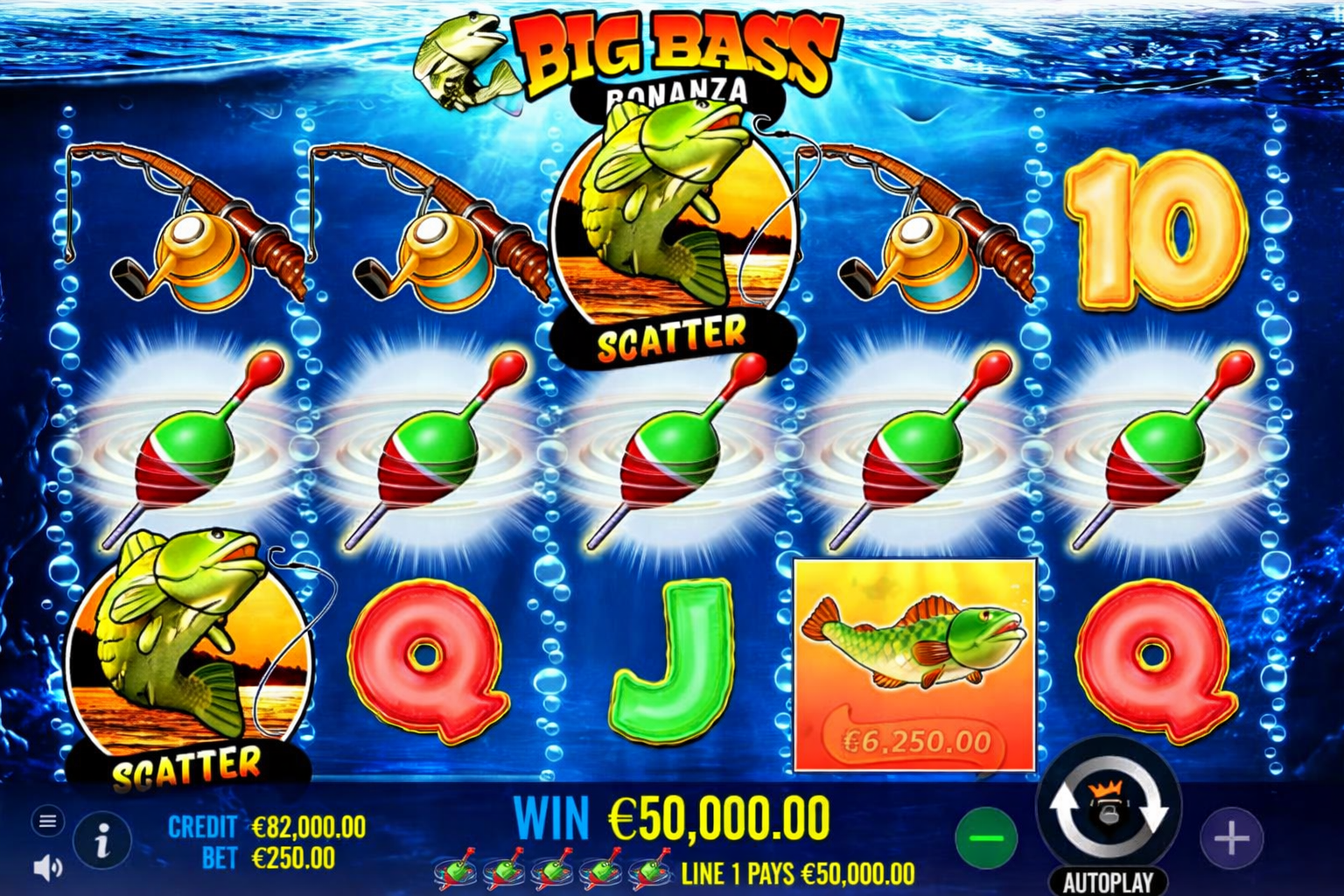
Frequent misconceptions
Players often treat a bonus as a guarantee, which it is not. A high multiplier does not override probabilities; it only scales wins when they occur. There is no “due” state or hidden counter that promises a hit after a drought.
What is under your control
You control preparation and pacing, not outcomes. Read the rules, test the demo, and set time and spend limits before starting. If the game offers multiple bonus choices, pick the volatility profile you prefer after checking the paytable; precise values can vary by version and operator.

UX signals and why they matter
Good interfaces show remaining spins, current multiplier, and feature progress clearly. Animation timing, sound cues, and symbol highlights help you read what changed during the round. On mobile, adaptive layouts keep counters and progress bars visible without crowding the reels.
Performance and adaptability
Modern slots optimize animations and counters for a stable frame rate. Turbo modes reduce transition time but do not alter probabilities. If the device is older, long cascade chains and heavy effects may heat it up; lowering visual intensity can help.

How bonus design evolved
Early free-spin rounds simply locked in a set of spins with a small twist. Today, designers layer mechanics: symbol upgrades, roaming wild multipliers, or level-based progress that persists across spins. Some versions let you access the bonus directly; availability and conditions can differ by version and operator.


Takeaways
-
Think of free spins as a ruleset shift and multipliers as a scaling tool. The pair increases variance and drama without changing the underlying fairness model. Learn the specific rules for the version you play, because exact values may vary by version and operator.
FAQ
Sometimes global and line multipliers stack, other times one replaces another. The rules depend on the version and operator.
Not always. Retriggers may add spins, increase the multiplier, or unlock a new stage; details vary by version and operator.
No. They change animation speed, not probabilities.
They expose different volatility profiles. Read the paytable because exact parameters vary by version and operator.
Demos use the same ruleset, but some regions provide different versions. Exact values can differ by version and operator.
The state is usually saved and resumes on return, but behavior can differ by version and operator.